
Use the Bristol Stool Chart to understand your digestive health and find the right approach for your symptoms.
Select the type that best matches your typical bowel movement:

Separate hard lumps, like nuts

Sausage-shaped but lumpy

Sausage with cracks on surface

Smooth, soft sausage or snake
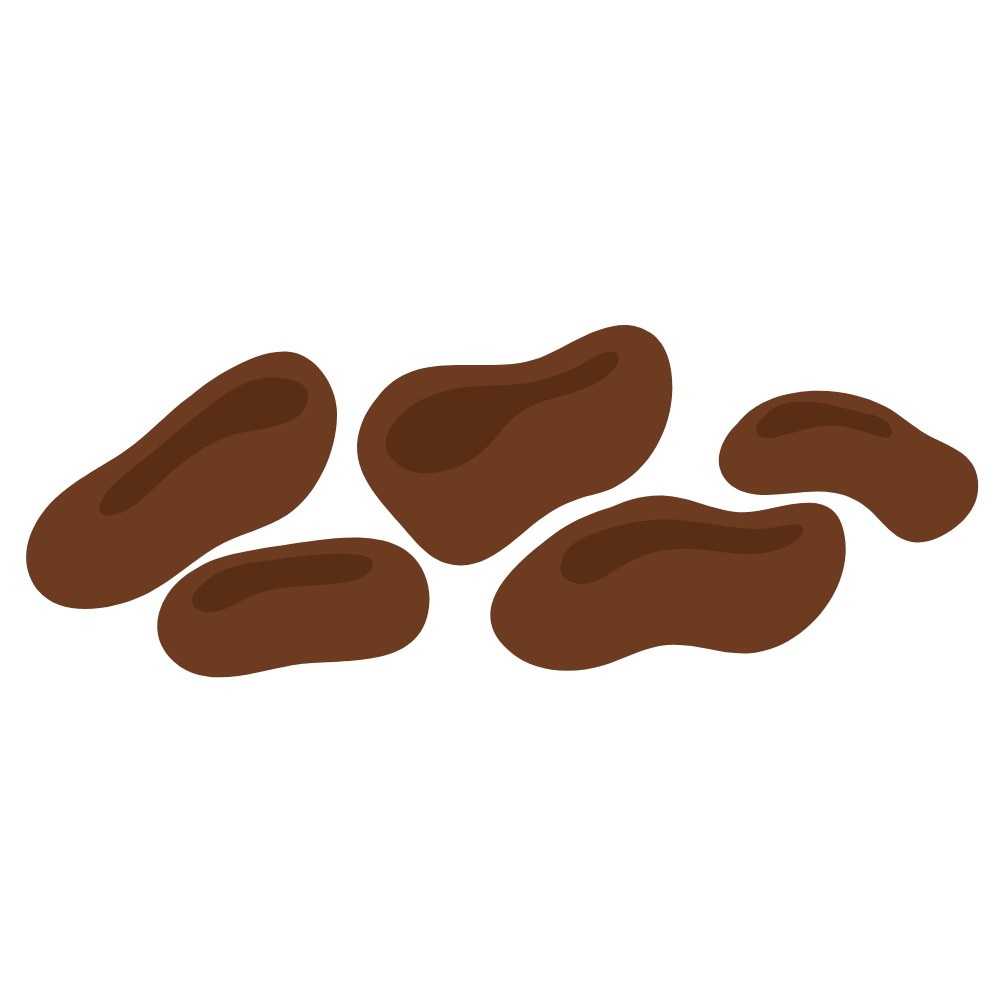
Soft blobs with clear edges

Fluffy pieces, ragged edges, mushy

Watery, no solid pieces

Understanding your stool type is the first step. Our 5-minute quiz provides a complete protocol designed for your specific pattern.
Find My Gut TypeHow often should I be having bowel movements?
"Normal" ranges from 3 times per day to 3 times per week. More important than frequency is consistency, ease of passage, and how you feel. Type 4 stools, 1-2 times daily is often considered optimal.
Can the Bristol Stool Chart diagnose IBS?
The Bristol Chart is a useful tool for describing stool consistency, which is part of IBS diagnosis (Rome IV criteria), but it alone cannot diagnose IBS. Diagnosis requires a pattern of symptoms over time and ruling out other conditions.
My stool type changes throughout the day - is that normal?
Some variation is normal, especially between morning and later bowel movements. If you swing between Types 1-2 and Types 6-7 regularly, this may indicate IBS-M (Mixed) type.
Last updated: January 2025 · Reviewed by Rebecca Taylor, RNutr